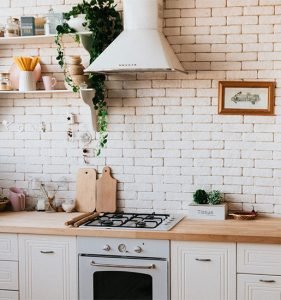
How Interiors Design Shapes the Way We Live and Work
When people think of interiors , they often imagine beautiful furniture, elegant lighting, and stylish décor. While these elements are certainly important, the true value of interior design goes far beyond aesthetics. A well-planned interior environment has the power to influence how we feel, how we work, and how we experience the spaces around us every day. From homes and offices to retail stores and hospitality spaces, thoughtful interior design creates environments that are both functional and inspiring.
Interiors is not simply about decorating a room. It is a careful process that combines creativity, technical knowledge, and strategic planning to create spaces that support human activity and comfort. A well-designed interiors balances visual appeal with functionality, ensuring that every element within the space serves a purpose while contributing to a harmonious atmosphere.
The Emotional Impact of Interiors Spaces
The interior environment around us plays a significant role in shaping our emotions and mental well-being. Colors, lighting, textures, and spatial layouts can influence how comfortable and relaxed we feel in a space. For example, soft neutral colors in an interiors can create a calming atmosphere, while brighter tones may bring energy and creativity into a room.
Natural light is another important factor in interiors . Spaces that allow more natural light tend to feel more open, positive, and welcoming. Proper lighting design in an interior not only improves visibility but also enhances the overall mood of the space. A combination of natural light, ambient lighting, and accent lighting can transform an ordinary interiors into a warm and inviting environment.
Interior design also contributes to a sense of belonging. When a space reflects a person’s personality, lifestyle, or brand identity, it creates an emotional connection between the individual and the environment. This is why personalized interior design is often more meaningful and satisfying than generic design approaches.
Improving Productivity Through Interior Design
Interior design plays a crucial role in professional environments, particularly in offices and workspaces. A well-designed interior can significantly improve productivity, creativity, and focus among employees.
Workspaces with thoughtful interior layouts promote better movement and collaboration. Comfortable furniture, ergonomic seating, and organized layouts allow individuals to work efficiently without unnecessary distractions or physical discomfort. The placement of desks, meeting areas, and breakout spaces in an interior layout can directly affect how people interact and collaborate within an organization.
Incorporating natural elements into an interior design, such as indoor plants or natural materials, can also enhance productivity and well-being. These elements help create a more balanced and refreshing environment that reduces stress and improves concentration.
Interior designers often focus on creating environments that support both individual work and teamwork. By designing flexible and adaptable interiors, businesses can create spaces that encourage innovation while maintaining a comfortable and professional atmosphere.
Functionality: The Core of Great Interior Design
While aesthetics are important, functionality remains the foundation of successful interior design. A beautiful interior that does not meet practical needs will ultimately fail to serve its purpose. This is why interior designers carefully analyze how a space will be used before creating a design plan.
Space planning is one of the most critical aspects of interior design. It involves arranging furniture, fixtures, and circulation areas in a way that maximizes efficiency and comfort. A well-planned interior ensures smooth movement within the space while maintaining visual balance.
For example, in residential interiors, thoughtful layouts can improve daily living by providing convenient storage, comfortable seating areas, and efficient kitchen designs. In commercial interiors, strategic planning can enhance customer experience, improve workflow, and create visually appealing environments that attract visitors.
Interior design also focuses on selecting materials that are both durable and visually appealing. Flooring, wall finishes, fabrics, and furniture must be chosen carefully to ensure they complement the design while withstanding everyday use.
Interior Design as a Reflection of Identity
Every space has a story to tell, and interior design helps communicate that story. Whether it is a private home or a commercial space, the interior design should reflect the personality, lifestyle, or brand identity of the people who use it.
In residential interiors, design choices often reflect personal tastes, cultural influences, and lifestyle needs. A modern minimalist interior might emphasize simplicity and clean lines, while a more traditional interior might highlight warm colors, classic furniture, and decorative details.
In commercial environments, interior design plays an important role in branding. Retail stores, hotels, and offices use interior design to create memorable experiences for customers and clients. A carefully designed interior can communicate professionalism, creativity, luxury, or comfort depending on the brand’s identity.
By aligning design elements with a clear vision, interior designers help create spaces that feel authentic and meaningful.
The Role of Sustainability in Modern Interior Design
Modern interior design increasingly focuses on sustainability and environmental responsibility. Sustainable interior design aims to reduce environmental impact while creating healthier living and working environments.
This approach includes the use of eco-friendly materials, energy-efficient lighting, and sustainable furniture. Designers may also incorporate recycled materials, natural finishes, and energy-saving technologies into their interior projects.
Sustainable interior design also emphasizes durability and long-term value. Instead of focusing on short-term trends, designers aim to create timeless interiors that remain functional and attractive for many years. This reduces waste and promotes responsible consumption.
In addition to environmental benefits, sustainable interior design often improves indoor air quality and overall well-being. Natural materials, improved ventilation, and reduced chemical usage contribute to healthier interior environments.
Enhancing Property Value Through Interior Design
Investing in interior design can significantly increase the value of a property. A thoughtfully designed interior not only enhances visual appeal but also improves functionality, making the space more attractive to potential buyers or tenants.
In residential real estate, modern interiors with efficient layouts, stylish finishes, and well-planned storage solutions often command higher market prices. Buyers are naturally drawn to homes that feel comfortable, spacious, and visually appealing.
Commercial properties also benefit from professional interior design. Offices, restaurants, and retail spaces with well-designed interiors create stronger impressions on clients and customers. This can lead to improved brand perception and business success.
Because of these advantages, interior design is often considered an investment rather than an expense.
The Future of Interior Design
As lifestyles and technologies continue to evolve, interior design is also adapting to meet new needs. Smart homes, multifunctional furniture, and flexible living spaces are becoming increasingly popular in modern interior design.
Technology now plays a significant role in interior planning. Designers often use advanced tools such as 3D visualization and digital modeling to help clients understand how their interiors will look before construction begins. These tools make the design process more efficient and collaborative.
Future interior design trends are expected to focus on adaptability, sustainability, and personalization. Spaces will continue to evolve to support remote work, changing family dynamics, and new lifestyle preferences.
Conclusion
Interior design is much more than arranging furniture or choosing decorative elements. It is a thoughtful process that shapes how people interact with their environments and experience everyday life. A well-designed interior enhances comfort, improves productivity, reflects personal identity, and even increases property value.
By combining creativity, functionality, and strategic planning, interior designers transform ordinary spaces into meaningful environments that inspire and support the people who use them. Whether designing a cozy home, a productive workspace, or a welcoming commercial environment, interior design has the power to positively impact our daily lives in ways that go far beyond visual beauty.