Your office design or workspace should tell your story. Interior design allows you to express your lifestyle, preferences, and identity through colors, textures, layouts, and materials. Whether you prefer minimal modern interiors or warm, traditional styles, the right office design choices can turn any workspace into a productive and inspiring environment.
Today, office design is no longer just about arranging desks and chairs. It is about creating a space that supports creativity, efficiency, and well-being. A well-planned office environment can significantly influence how people work, collaborate, and feel throughout the day. When businesses invest in thoughtful office design, they are not only improving aesthetics but also enhancing productivity and employee satisfaction.
The Importance of Modern Workspace
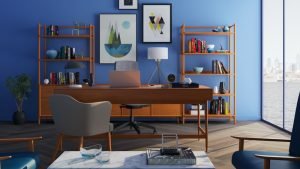
In the modern workplace, office design plays a critical role in shaping company culture and employee experience. A thoughtfully designed office creates an atmosphere that motivates employees, improves focus, and encourages collaboration. It helps people feel comfortable and inspired, which naturally leads to better performance.
An effective office design considers several factors such as lighting, space planning, furniture arrangement, and color schemes. Natural light, for example, can boost mood and energy levels, while ergonomic furniture helps employees maintain better posture and comfort during long working hours. When these elements are combined effectively, they create a workspace that supports both physical comfort and mental clarity.
Businesses today are increasingly recognizing that office design is a powerful tool for attracting talent and building a strong brand identity. A modern, well-designed office communicates professionalism, creativity, and innovation to both employees and clients.
Personal Expression Through
Just like homes, offices can reflect personality and identity. provides an opportunity to express brand values, culture, and vision through visual elements. Colors, textures, materials, and layouts all contribute to the overall atmosphere of a workspace.
For example, a technology startup may prefer a modern o with open spaces, vibrant colors, and flexible workstations that encourage collaboration. On the other hand, a corporate firm might choose a more refined office design with elegant finishes, neutral tones, and structured layouts that reflect professionalism and stability.
By carefully selecting design elements, businesses can create spaces that communicate their unique identity. This not only strengthens internal culture but also leaves a lasting impression on visitors and clients.
Balancing Aesthetics and Functionality
Design is not about copying trends — it is about interpreting them in a way that suits your space and needs. A skilled designer understands how to balance beauty with functionality so that your environment works for you, not against you.
Office design must always consider practical needs such as workflow, storage, accessibility, and employee comfort. While aesthetics are important, functionality ensures that the space supports daily operations effectively.
For instance, an open office layout may encourage collaboration, but it must also include quiet areas where employees can focus without distractions. Similarly, meeting rooms should be designed with proper acoustics and technology integration to support productive discussions.
When aesthetics and functionality are balanced, office design becomes a powerful tool that enhances both the visual appeal and operational efficiency of a workspace.
The Role of Space Planning
Space planning is one of the most important aspects of office design. It determines how different areas within the office are organized and how people move through the space.
A well-planned office layout ensures that workstations, meeting rooms, collaborative areas, and relaxation spaces are strategically positioned. This helps create a smooth flow within the office, reducing congestion and improving communication between teams.
Modern office design often includes flexible layouts that allow spaces to adapt to changing needs. For example, movable partitions, modular furniture, and multi-purpose areas make it easier for companies to adjust their workspace as they grow.
By prioritizing efficient space planning, businesses can maximize productivity while maintaining a comfortable and organized environment.
Creating a Comfortable and Inspiring Environment
Employee well-being has become a major focus in contemporary . Comfortable and inspiring workspaces help reduce stress, increase motivation, and improve overall job satisfaction.
Elements such as natural lighting, indoor plants, comfortable seating, and calming colors contribute to a positive workplace atmosphere. Biophilic design — which integrates natural elements into the workspace — is becoming increasingly popular because it helps employees feel more connected to nature.
Incorporating breakout spaces, lounges, and creative zones also allows employees to relax and recharge during the workday. These spaces encourage informal interactions and creative thinking, which can lead to innovative ideas and stronger team collaboration.
An inspiring office design is one that supports both productivity and well-being.
Brand Identity
Office design is also a powerful way to showcase brand identity. When clients or partners visit your office, the design of the space immediately communicates your company’s values and professionalism.
From reception areas to meeting rooms, every element of office design can reinforce your brand image. Color schemes, furniture styles, artwork, and signage can all reflect your company’s personality and mission.
For example, a creative agency might incorporate bold colors and unique furniture pieces to highlight innovation and creativity. A financial firm, on the other hand, might prefer a sophisticated office design with polished finishes and elegant décor that conveys trust and reliability.
By aligning with brand identity, businesses can create a cohesive and memorable experience for everyone who enters the space.
Adapting the Future
Workplaces are constantly evolving, and office design must adapt to changing work styles and technologies. Hybrid work models, digital collaboration tools, and flexible schedules are influencing how offices are designed today.
Future-focused office design often includes adaptable workstations, technology-integrated meeting spaces, and collaborative zones that support both in-person and remote communication.
Sustainability is also becoming a key factor in office design. Many businesses are choosing eco-friendly materials, energy-efficient lighting, and sustainable furniture to reduce environmental impact while creating healthier work environments.
By embracing innovation and sustainability, modern office design can support long-term growth and adaptability.
Transforming Workspaces Through Thoughtful Design
Ultimately, office design is about creating spaces that empower people to do their best work. A thoughtfully designed office enhances productivity, encourages collaboration, and supports employee well-being.
Whether it is a small startup office or a large corporate headquarters, the right office design can transform an ordinary workspace into a dynamic environment where ideas flourish and teams thrive.
Investing in professional office design ensures that every detail — from layout and lighting to materials and finishes — contributes to a cohesive and functional space. With the right approach, office design becomes more than just decoration; it becomes a strategic tool for success.