
The Importance of Interior Design in Creating Functional and Inspiring Spaces
A well-designed interior is not just visually appealing — it is practical. Thoughtful interior design ensures that every element within a space serves a purpose while contributing to the overall aesthetic. When a space is carefully planned and organized, it becomes easier to live, work, and relax within it. Proper space planning allows for smooth interior design movement, efficient storage, and the intelligent use of available areas, transforming ordinary rooms into environments that feel comfortable and inspiring.
Good planning is the foundation of any successful project. Whether it is a small apartment interior design or a large commercial space, the arrangement of furniture, lighting, and décor should always complement the way people interact interior design with the environment. Designers carefully evaluate how a space will be used before making decisions about layout, materials, and color schemes. interior design This thoughtful approach ensures that the space works for its occupants rather than creating unnecessary obstacles.
For example,interior design a clutter-free living room promotes relaxation and encourages meaningful moments with family and friends. By carefully choosing furniture pieces that suitinterior design the size of the room and incorporating smart storage solutions, designers can maintain an open and interior design inviting atmosphere. A living space that feels organized and balanced allows residents to feel calm and comfortable.
In a workplace, the layout of the environment has a significant impact on productivity. Ergonomic office arrangements interior design ensure that employees can work comfortably for extended periods without unnecessary strain or distraction. Strategic placement of desks, seating areas, and collaborative spaces can enhance workflow interior design while maintaining a professional and inspiring atmosphere. Well-planned offices often encourage communication, creativity, and efficiency among team members.
The kitchen is another area where thoughtful interior design planning makes a significant difference in daily life. Smart kitchen layouts improve functionality by ensuring that essential elements such as interior design storage, cooking areas, and preparation spaces are positioned efficiently. A well-organized kitchen allows individuals to move seamlessly between tasks, making meal preparation interior design easier and more enjoyable. When practical features are combined with attractive finishes and modern appliances, the result is a space that feels both stylish and efficient.
When functionality meets creativity, spaces become both comfortable and inspiring. The goal of professional interior design is to create environments that support everyday activities while maintaining a sense of beauty and harmony. Every detail — from interior design furniture placement to lighting choices — contributes to the overall experience of the space.
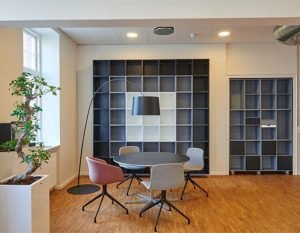
The Power of Colors and Lighting
Color psychology plays a crucial role in shaping how people feel within a space. The colors used in a room can influence mood, energy levels, and even productivity. Soft neutral tones often interior design create a calm and relaxing atmosphere, making them ideal for bedrooms, living rooms, and areas designed for rest. Shades such as beige, cream, soft gray, and warm white can make a space feel open, peaceful, and welcoming.
On the other hand, bold colors can add energy, personality, and visual interest. Rich blues, deep greens, and warm earthy tones can introduce character while maintaining a sense of balance. Accent colors are often used to highlight certain elements within a room, such as a feature wall, decorative furniture, or artistic pieces. By combining neutral backgrounds with vibrant accents, designers can create dynamic spaces that feel lively without becoming overwhelming.
Lighting is equally important in shaping the atmosphere of an interior environment. Natural light has the power to transform a room by making it feel larger, brighter, and more inviting. Large windows, open layouts, and light-reflecting materials can help maximize the effect of natural daylight. When sunlight fills a room, it creates a sense of warmth and openness that enhances the overall ambiance.
However, natural light alone is not always sufficient, especially during evening hours or in areas with limited window access. This is where layered lighting becomes essential. Designers typically incorporate three types of lighting to achieve the perfect balance: ambient lighting, task lighting, and accent lighting.
Ambient lighting provides general illumination for the entire space. Ceiling fixtures, recessed lights, or pendant lamps often serve as the main source of light in a room. Task lighting focuses on specific activities, such as reading, cooking, or working. Desk lamps, under-cabinet lights, and bedside lighting are examples of task-focused illumination that improves functionality.
Accent lighting is used to highlight architectural features, artwork, or decorative elements. Wall-mounted fixtures, spotlights, and LED strips can add depth and dimension to a room by emphasizing key design details. When these three layers of lighting are combined effectively, they create a balanced environment that feels both practical and visually appealing.
The interaction between color and lighting can significantly influence how a room is perceived. For instance, warm lighting can enhance earthy tones and create a cozy atmosphere, while cooler lighting works well with modern palettes that emphasize clean lines and contemporary aesthetics. Designers carefully select lighting temperatures and placement to complement the chosen color scheme.
Enhancing Everyday Living Through Thoughtful Design
A well-designed interior environment has the ability to improve everyday life in subtle yet meaningful ways. When spaces are organized and aesthetically pleasing, people naturally feel more comfortable and motivated within them. Good design can reduce stress, encourage creativity, and enhance overall well-being.
For homeowners, a thoughtfully designed interior can transform a house into a personal sanctuary. Comfortable furniture, balanced color palettes, and carefully chosen décor create an environment that reflects individual tastes and lifestyles. Living in a space that feels harmonious and welcoming can significantly improve daily experiences.
Commercial spaces also benefit greatly from thoughtful planning. Restaurants, retail stores, offices, and hospitality venues rely on attractive and functional environments to create memorable experiences for visitors. A carefully designed layout can guide customer movement, highlight key products, and create a welcoming atmosphere that encourages people to stay longer and return again.
Another important aspect of modern design is adaptability. As lifestyles change, spaces must evolve to accommodate new needs. Multifunctional furniture, flexible layouts, and innovative storage solutions allow rooms to adapt without requiring major renovations. This approach ensures that spaces remain practical and relevant over time.
Sustainability is also becoming a key focus within the design industry. Many designers now prioritize eco-friendly materials, energy-efficient lighting, and sustainable practices when planning interiors. Choosing durable materials, maximizing natural light, and reducing unnecessary waste can contribute to environmentally responsible spaces without compromising aesthetics.
Creating Spaces That Inspire
Ultimately, the purpose of thoughtful interior design is to create spaces that inspire people every day. When beauty and practicality come together, the result is an environment that feels balanced, comfortable, and meaningful. Each room should tell a story about the people who use it while supporting their daily routines and aspirations.
From residential homes to professional workspaces, every project presents an opportunity to transform an ordinary environment into something exceptional. By carefully considering layout, color, lighting, and functionality, designers can craft spaces that not only look beautiful but also enhance the way people live and interact with their surroundings.
In today’s world, where individuals spend a significant amount of time indoors, the importance of well-planned interiors cannot be overstated. A thoughtfully designed space can influence mood, productivity, and overall quality of life. When creativity and practicality are combined with careful planning, the result is a space that truly feels like it was designed with purpose.